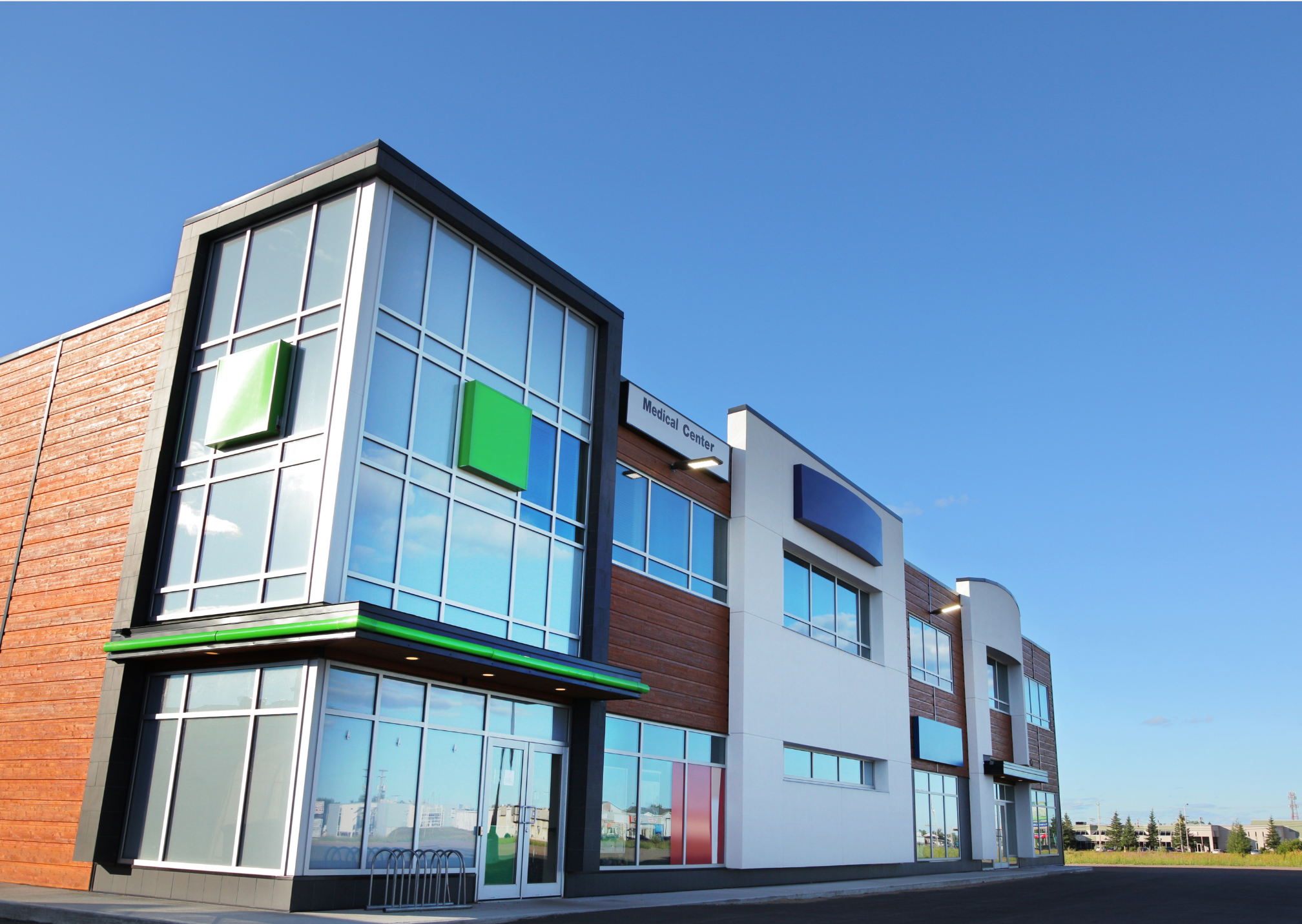







Adaptive Reuse in Healthcare Real Estate: Transforming Spaces for the Future

healthcare real estate
healthcare real estate
Adaptive reuse has emerged as a powerful strategy, breathing new life into existing structures and redefining the future of healthcare spaces. This blog post explores the significance of adaptive reuse in healthcare real estate, shedding light on the transformative potential it holds for both investors and the communities they serve.

The Evolution of Adaptive Reuse:
Repurposing Non-Traditional Spaces:
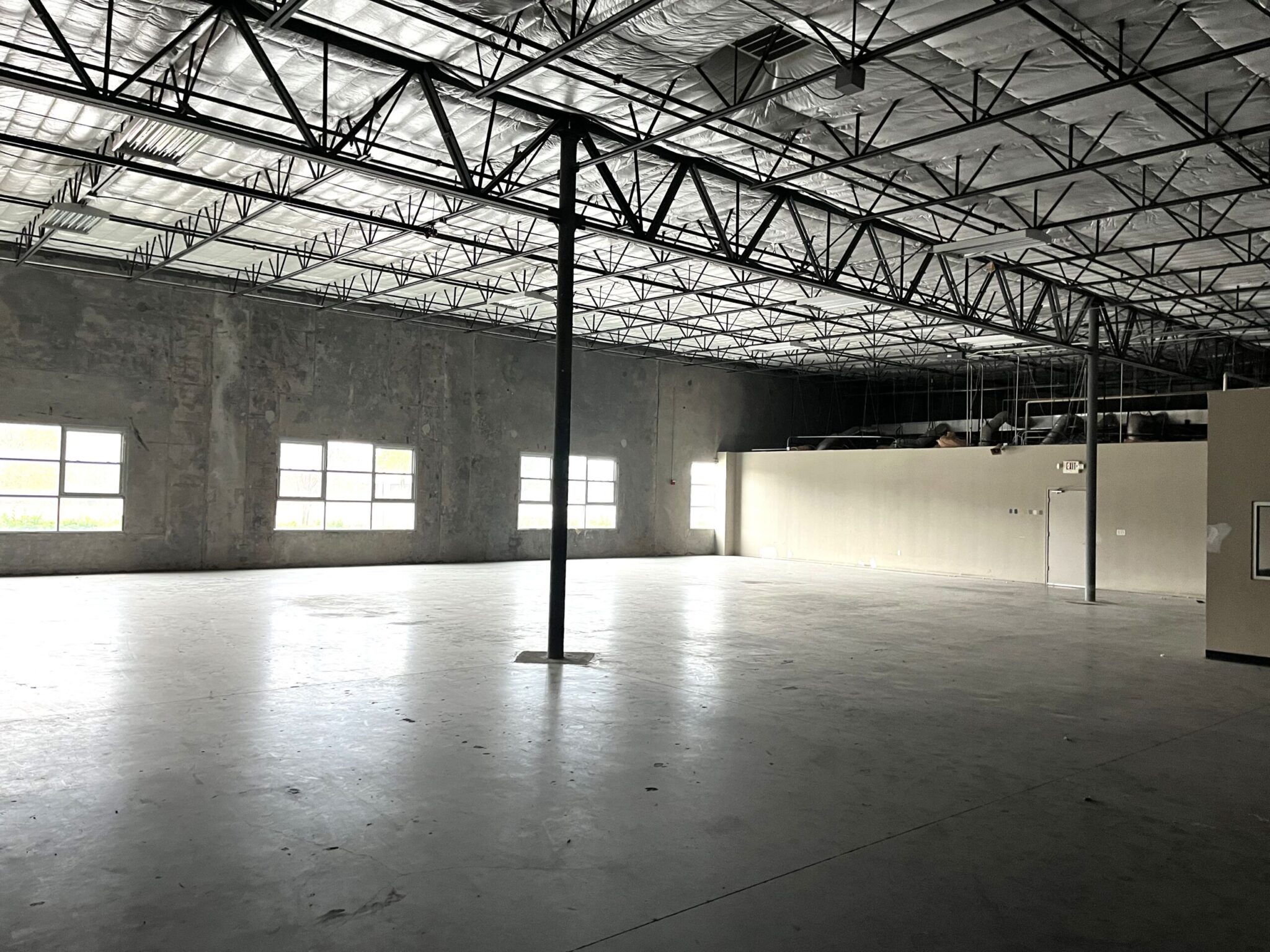
Adaptive reuse in healthcare real estate involves repurposing non-traditional spaces, such as warehouses, retail buildings, or historic structures, into healthcare facilities. This innovative approach reflects a departure from conventional healthcare settings and embraces the versatility of existing structures.

Meeting Changing Healthcare Needs:
The healthcare landscape is evolving, with a growing emphasis on decentralized and community-based care. Adaptive reuse allows healthcare providers to strategically position facilities in convenient locations, meeting the changing needs of patients and fostering community-centric healthcare delivery.

Key Benefits of Adaptive Reuse in Healthcare Real Estate:
Cost Efficiency:
Adaptive reuse is often a more cost-effective solution than constructing a new healthcare facility from the ground up. Repurposing existing structures can lead to significant cost savings in terms of construction, permitting, and overall project timelines.
Sustainability and Green Practices:
Transforming existing structures aligns with sustainability goals and green building practices. Adaptive reuse minimizes the environmental impact associated with new construction and contributes to the sustainable development of healthcare real estate.

Community Integration:
Adaptive reuse projects have the potential to seamlessly integrate into existing communities. By utilizing familiar structures, healthcare facilities become a natural part of the neighborhood, fostering a sense of community and accessibility.

Preserving Architectural Heritage:
Historic structures hold cultural and architectural significance. Adaptive reuse allows for the preservation of these structures while repurposing them to meet modern healthcare needs. This not only honors the architectural heritage but also contributes to the character of the community.

Successful Examples of Adaptive Reuse in Healthcare Real Estate:
Medical Office Buildings (MOBs):
Adaptive reuse is particularly prevalent in the transformation of non-medical spaces into Medical Office Buildings (MOBs). Retail spaces, office buildings, or industrial facilities can be converted into MOBs, creating convenient and accessible healthcare hubs.

Urgent Care Centers and Clinics:
Urgent care centers and clinics are increasingly finding homes in repurposed structures. Retail spaces, for example, are well-suited for urgent care facilities, providing easily accessible locations for non-emergency medical services.

Wellness and Fitness Centers:
Adaptive reuse extends beyond traditional medical services to include wellness and fitness centers. Repurposing spaces like former gyms or retail locations for preventive care and fitness services aligns with the broader trend of holistic healthcare.

Challenges and Considerations:
Regulatory Compliance:
Ensuring that repurposed structures comply with healthcare regulations is a critical consideration in adaptive reuse projects. Navigating regulatory requirements to meet the standards for healthcare facilities is essential for the success of such endeavors.

Infrastructure Adaptation:
Adapting existing infrastructure to accommodate the specific needs of healthcare facilities may pose challenges. Comprehensive planning and collaboration with architects and engineers are vital to address infrastructure requirements.

The Future Landscape of Healthcare Real Estate:
Adaptive reuse is poised to play a pivotal role in shaping the future landscape of healthcare real estate. As the industry embraces innovative solutions to meet the evolving needs of patients and communities, adaptive reuse projects will continue to transform existing spaces into dynamic and accessible healthcare environments.

Investors, healthcare providers, and communities alike stand to benefit from the adaptive reuse of non-traditional structures, creating a future where healthcare is not confined by traditional norms but thrives in diverse and community-integrated spaces.


Raigan Stokes

Sales Associate

Rstokes@msbrealty.com

Mark S Bounds Realty Partners, Inc.

Investing in Health: The Impact of Economic Factors on Healthcare Real Estate

healthcare real estate

Healthcare Real Estate

In the dynamic world of real estate, the intersection of economic factors and the healthcare sector creates a compelling landscape for investors seeking opportunities that align with the growing demand for healthcare services. This blog post explores the impact of economic factors on healthcare real estate investments, shedding light on the relationship between economic trends and the evolving healthcare landscape.

Economic Factors Shaping Healthcare Real Estate:

Population Growth and Aging Demographics:

Economic growth often correlates with population expansion. As regions experience population growth, the demand for healthcare services rises, influencing the need for healthcare facilities. Additionally, aging demographics contribute to increased demand for specialized care, such as senior living facilities and general healthcare spaces.

Employment and Economic Stability:

Economic stability and employment rates play a pivotal role in healthcare real estate investments. Areas with robust economies tend to attract more businesses and residents, leading to an increased need for healthcare facilities to serve the growing population.

Technological Advancements and Innovation:

Economic prosperity fosters technological advancements and innovation in the healthcare sector. The integration of advanced medical technologies often requires updated and specialized healthcare infrastructure, presenting investment opportunities for those attuned to the evolving needs of the healthcare industry.

Government Healthcare Spending:

Government spending on healthcare initiatives significantly influences the healthcare real estate market. Increased public investment in healthcare infrastructure, such as the development of hospitals and clinics, can create favorable conditions for real estate investments in the healthcare sector.

The Healthcare Real Estate Investment Types:

Medical Office Buildings (MOBs):

The economic demand for healthcare services has led to a surge in the construction of Medical Office Buildings (MOBs). These facilities house a variety of healthcare providers, ranging from primary care physicians to specialized medical practices, aligning with the trend of decentralized healthcare delivery.

Outpatient Care Facilities:

Economic factors are driving a shift towards outpatient care, driven by cost-effectiveness and patient convenience. Investors recognizing this trend may find opportunities in developing outpatient care facilities, ambulatory surgery centers, and urgent care clinics to meet the evolving healthcare delivery model.

Senior Living and Long-Term Care:

As economic prosperity contributes to increased life expectancy, there is a growing demand for senior living and long-term care facilities. Real estate investments in these sectors respond to the demographic shift towards an aging population and the need for specialized care services.

Microhospitals

Microhospitals typically offer a broad range of services, combining elements of traditional hospitals with the efficiency and accessibility of outpatient care facilities. Their smaller size and focus on specific services distinguish them from larger, comprehensive hospital facilities.

Strategies for Navigating Economic Factors in Healthcare Real Estate:

Market Analysis and Trend Identification:

Conduct comprehensive market analyses to identify economic trends influencing healthcare demand. Understanding local economic conditions allows investors to align their healthcare real estate investments with emerging opportunities.

Diversification and Adaptability:

Diversify healthcare real estate portfolios to adapt to changing economic factors. Consider investing in flexible and adaptable properties that can accommodate evolving healthcare needs and technological advancements.

Collaboration with Healthcare Providers:

Forge strategic collaborations with healthcare providers to gain insights into their expansion plans and facility requirements. Such partnerships can enhance the viability of healthcare real estate investments by aligning them with the needs of the local healthcare ecosystem.

Conclusion: A Healthy Blend of Economics and Real Estate Strategy

Investing in health is a strategic blend of understanding economic factors and navigating the dynamic landscape of healthcare real estate. Investors who recognize the economic factors that effect healthcare real estate position themselves to make informed decisions that contribute to both financial success and the well-being of communities.


Raigan Stokes

Sales Associate

Rstokes@msbrealty.com

Mark S Bounds Realty Partners, Inc.
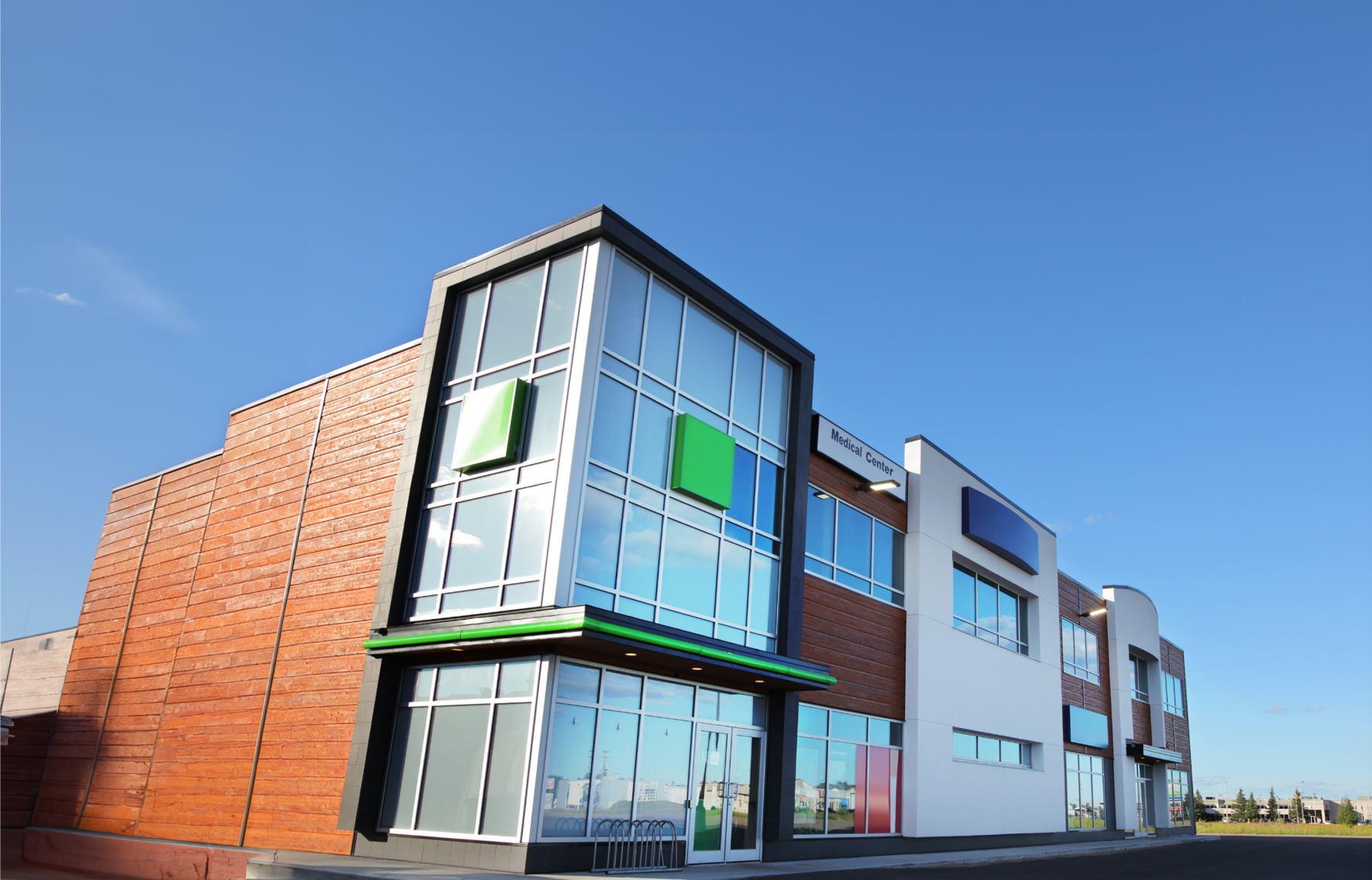
Tenant Stability in Healthcare Real Estate: A Cornerstone for Investment Success

healthcare real estate

Investing in healthcare real estate offers a unique set of advantages, and among them, tenant stability stands out as a pivotal factor for long-term success. In this blog post, we delve into the significance of tenant stability in healthcare properties, exploring the factors that contribute to it and why it should be a top consideration for investors.

Understanding Tenant Stability in Healthcare Real Estate:

Long-Term Leases Ensure Financial Stability:
Healthcare providers often sign long-term leases, providing a stable and predictable income stream for property owners. This financial stability is particularly attractive to investors seeking consistent returns on their real estate investments.

Healthcare Real Estate’s Strong Demand:
The demand for quality healthcare spaces continues to increase. The aging population is a huge factor in the increasing demand for healthcare services. By securing reputable healthcare tenants, investors ensure that their properties are positioned to meet this demand, ensuring a steady flow of rental income.

Specialized Facilities Enhance Tenant Loyalty:
Healthcare facilities often require specialized infrastructure and equipment. Investing in properties with these features creates a competitive advantage, making it less likely for tenants to relocate due to the high costs and logistical challenges associated with moving specialized medical equipment.

Economic Stability Fuels Tenant Retention:
Just like other property types, healthcare properties located in economically stable areas are more likely to retain healthcare tenants. Economic prosperity in the region contributes to the population which increases patients for healthcare providers, reducing the likelihood of business disruptions or relocations.

Market Trends Influence Tenant Stability:
Staying attuned to market trends is crucial for predicting tenant stability. Understanding the evolving healthcare landscape and aligning investments with emerging trends, such as the rise of outpatient care, positions investors to attract and retain tenants effectively. It is also effective to hire a real estate professional to help you navigate the healthcare real estate market.

Strategies for Maximizing Tenant Stability:

Build Relationships with Healthcare Providers:
Establishing strong relationships with healthcare providers is key. Understand their long-term goals and how your property can support their growth strategies. This collaborative approach fosters tenant loyalty.

Negotiate Favorable Lease Terms:
When negotiating leases, prioritize terms that ensure stability for both parties. Consider options such as lease renewals, extensions, and clauses that promote a mutually beneficial relationship.

Invest in Facilities That Align with Future Healthcare Needs:
Anticipate future healthcare trends and invest in facilities that align with these evolving needs. This forward-thinking approach not only attracts quality tenants but also positions your properties for long-term success.

Stay Informed About Regulatory Changes:
Healthcare regulations can impact the operations of healthcare providers. Stay informed about regulatory changes that may affect your tenants, and proactively address any compliance issues to support their stability.

Conclusion: A Secure Path to Sustainable Returns
In the dynamic landscape of healthcare real estate, tenant stability emerges as a fundamental element for investors seeking secure and sustainable returns. By understanding the factors influencing tenant stability and implementing strategic measures to enhance it, investors can position themselves for success in this thriving sector.


Raigan Stokes

Sales Associate

Rstokes@msbrealty.com

Mark S Bounds Realty Partners, Inc.