

A property can show an attractive capitalization rate and still be a poor investment. The difference is often found below the headline numbers: a tenant whose renewal is uncertain, deferred maintenance that has not reached the budget, expenses rising faster than rents, or a location losing its commercial relevance. Value income properties deserve close attention because they can create meaningful returns, but only when value is measured by durable net income rather than a low purchase price.
For commercial investors, business owners, and portfolio managers, the objective is not simply to acquire a building that produces rent this year. It is to acquire or reposition an asset that can protect income, control expenses, and support value over an appropriate holding period. That requires disciplined underwriting, credible market intelligence, and an operating plan that matches the property’s actual condition.
What Makes Value Income Properties Different
A value income property is generally acquired because its current income, condition, lease structure, or management approach leaves room for improvement. It may be underleased, poorly managed, functionally dated, priced below replacement cost, or occupied by tenants whose rents are below current market levels. The investor is not buying perfection. The investor is buying a defined opportunity to improve risk-adjusted performance.
That opportunity must be specific. “Upside” is not an investment thesis unless it can be tied to achievable rent growth, lease-up, expense reduction, physical improvements, tenant retention, or a better capital structure. A neighborhood retail center with several vacant suites may offer value if the surrounding trade area supports additional demand and the vacancy can be leased at rents that justify the required improvements. The same center may be a capital drain if the vacancies reflect a weakening location or obsolete layout.
Value is also different from distress. Distressed assets can create opportunity, but a discounted price does not erase a poor location, excessive functional obsolescence, weak tenant credit, or an impractical renovation scope. In many cases, paying a fair price for a well-located asset with manageable operational issues is more prudent than pursuing the deepest apparent discount.
Start With the Income, Not the Asking Price
The most useful question in an acquisition review is simple: what income is truly collectible, and what must be spent to preserve or grow it? Gross scheduled rent is only a starting point. Investors should test economic occupancy, tenant payment history, concessions, delinquency, lease expirations, reimbursements, renewal options, and any income that may not continue after closing.
Net operating income should be normalized before it is capitalized. That means separating one-time expenses from recurring costs, recognizing realistic reserves for replacement, and verifying whether management fees, maintenance, insurance, taxes, utilities, and leasing costs have been fully reflected. A seller’s trailing statement may be accurate while still failing to show the ownership costs a new investor will incur.
For a single-tenant property, the income analysis centers on the tenant and lease. Creditworthiness, remaining lease term, renewal probability, rent escalations, maintenance responsibility, assignment rights, and any guaranty provisions can matter more than the building’s appearance. A long lease to a durable operator may justify a lower yield than a higher-rate property with a tenant likely to vacate in two years.
For multi-tenant assets, the emphasis shifts toward diversification and rollover. A property with no vacancy can still carry substantial risk if 60 percent of its revenue expires within the next 18 months. Conversely, a partially vacant building may have a compelling path forward if existing tenants are stable, the vacant space is marketable, and the leasing assumptions are supported by comparable transactions.
Underwrite Market Rent With Restraint
Projected market rent is one of the most common sources of avoidable error. Asking rents are not signed leases, and a comparable property may have superior visibility, parking, building systems, tenant improvements, or ownership willingness to grant concessions. Effective rent matters more than a quoted rate.
A credible rent assumption accounts for free rent, tenant improvement allowances, commissions, downtime between tenants, and the time required to stabilize occupancy. It also reflects the practical limits of the local market. In Madison, Jackson, and other Mississippi markets, demand can be highly property-specific. A medical office building near established healthcare users may perform differently from a general office property only a short distance away.
Match the Property Type to the Risk You Can Manage
Commercial value income properties are not interchangeable. Retail, industrial, office, medical, multifamily, and specialty assets respond to different economic forces and require different operating capabilities.
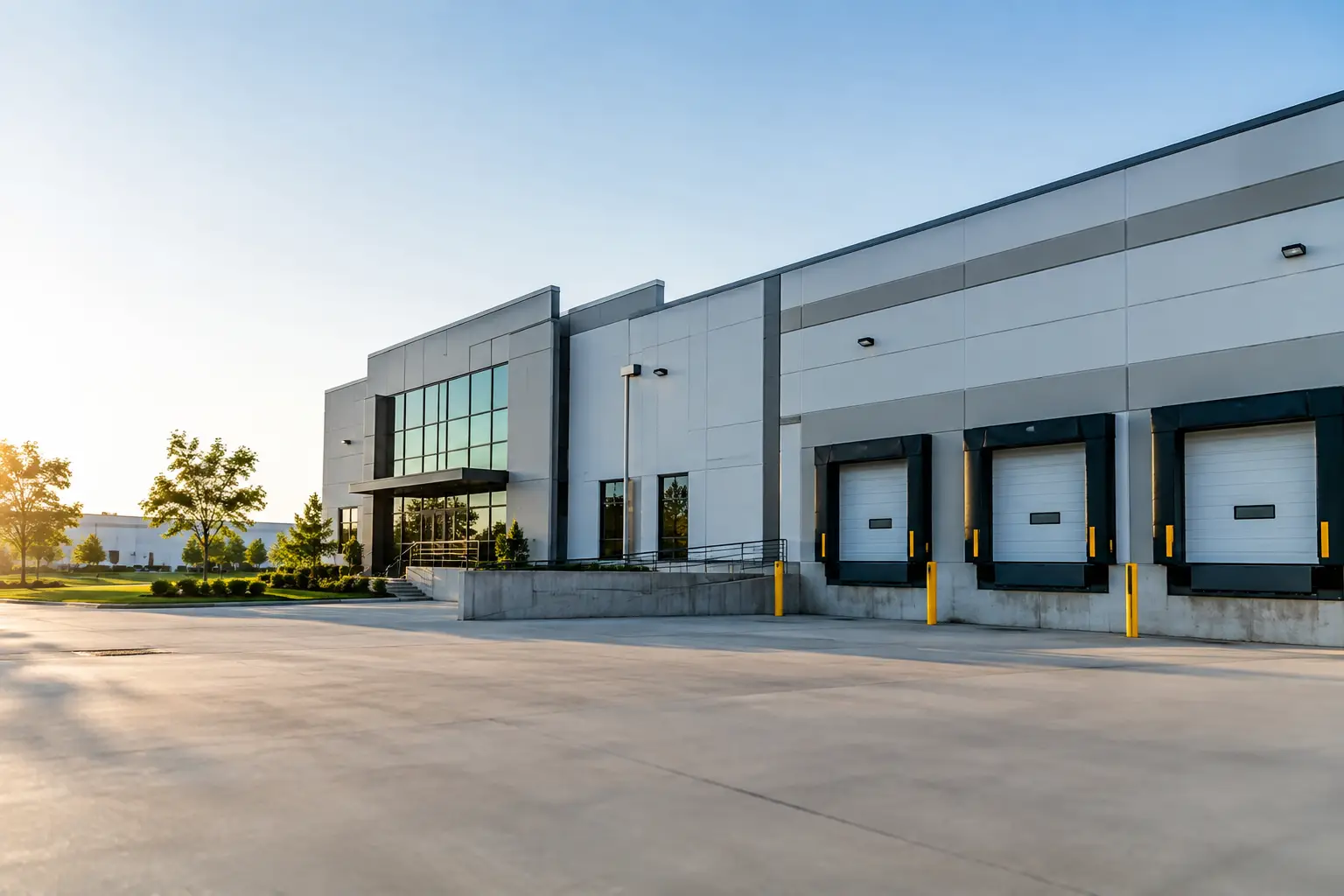
Industrial properties can offer efficient operations and strong tenant demand when they have appropriate access, loading, clear height, power, and site functionality. Yet a building designed for one user may have limited re-lease value if that user leaves. Retail may provide visible cash flow and contractual rent increases, but tenant performance is closely tied to trade-area demand, access, co-tenancy, and shifts in consumer behavior. Office assets may offer repositioning potential, though investors should be conservative about leasing velocity, tenant improvement costs, and the effect of hybrid work on older layouts.
Medical and financial real estate often benefits from specialized demand and longer occupancy patterns. However, the improvements can be expensive, and a specialized buildout may narrow the next tenant pool. The right asset type depends on investor objectives, available capital, management capacity, and tolerance for lease-up risk. A higher return target should not force an investor into an asset they are not equipped to operate.
Build an Operating Plan Before You Close
The business plan should be complete before the purchase agreement becomes binding. It should identify what will change during the first 12, 24, and 36 months, who is responsible, when capital will be deployed, and how success will be measured. If the plan depends on reducing expenses, determine which costs are controllable and whether the current leases permit recoveries. If it depends on raising rents, identify which tenants are likely to renew and when those conversations must begin.
Property condition deserves the same discipline. Roofs, HVAC systems, paving, drainage, electrical capacity, elevators, fire and life-safety systems, and ADA-related issues can materially alter returns. Deferred maintenance is not merely a repair line item. It can affect tenant retention, insurance costs, lender requirements, leasing prospects, and the buyer pool at resale.
Capital improvements should be ranked by financial purpose. Some projects protect existing income, such as replacing failing mechanical systems. Others improve leasing appeal, such as better signage, parking, access, common areas, or building security. Improvements that do neither should receive careful scrutiny. The goal is not to make a property look newer. The goal is to improve its ability to produce income and retain value.
Finance for Flexibility, Not Just Leverage
Debt can improve equity returns, but it can also magnify a weak leasing assumption or an unexpected capital expense. Investors should test debt-service coverage against lower occupancy, higher interest rates at refinancing, delayed rent growth, and realistic replacement reserves. A property that only works at full occupancy and minimal capital expenditure is not conservatively financed.
Loan structure matters as much as the rate. Consider maturity dates against lease rollover, prepayment provisions, recourse, required reserves, covenants, and whether the lender will fund future improvements. If a value-add plan requires substantial leasing capital, the financing must support that plan rather than constrain it.
A disciplined acquisition also evaluates the exit before purchase. The future buyer may be another private investor, an owner-user, an institutional buyer, or a developer. Each will value the property differently. Improving net operating income is useful, but the exit value will also depend on lease quality, remaining term, building condition, market liquidity, and prevailing capital market conditions.
When Professional Analysis Adds Value
Complex income properties benefit from coordinated brokerage, appraisal, property management, and asset-management perspective. Each discipline answers a different question: what the market will pay, what the asset is worth, how it should be operated, and whether the investment is performing against plan. Treating those functions as separate decisions can leave material gaps in the acquisition strategy.
Mark S Bounds Realty Partners applies that integrated perspective to commercial and investment property decisions throughout Mississippi. For investors considering a purchase, the practical benefit is a clearer view of market value, transaction risk, operating costs, site factors, and the actions required to improve performance after closing.
The strongest income-property investments are rarely those with the most aggressive projections. They are the assets where the income is understood, the risks are priced, the capital plan is funded, and the path to better performance is realistic. When those elements align, value is not simply found at acquisition. It is created through disciplined ownership.